Two weeks from today, I’ll be spending my second night in Sacramento, my new home for the foreseeable future. After almost 8 years in Humboldt County, I am moving onward and… southward.
It’s going to sound ridiculous, but one of the main catalysts for this was running into a family friend at Christmas in 2021. She mentioned she was going to be going to graduate school- or was at least applying to. Grad school had been on my list for so long, and, having a slight competitiveness streak, I seriously asked myself “Why are you not in graduate school? You graduated college a whole year early for goodness sake.” It’s not really the best reason to go to graduate school, but it was a kick that I needed to seriously pursue the idea while evidence piled up around me that it was time to move on.
I had been feeling stuck- in my relationships, work, mentally, emotionally- for a while. Some months would be better than others, some weeks would be better than others. Sometimes I felt that I’d stay at my museum job forever, raising wages enough that turnover rates would go down and we’d finally get a dehumidifier for the Native wing. Then, other times, the leaking roof and relentless politics would make me want to bury myself in the native plant garden until huckleberries sprouted out of my hair. These ups and downs aren’t unusual to me- howdy there depression and anxiety my old friends- but I began to realize as I more seriously thought about graduate school that while I liked my job and the experiences I had, I wanted to be in a situation where I was doing more of the stuff that really got me excited like leading tours and writing research articles that open people’s minds to the transformative nature of historical understanding, and a little less of the relentless administrative work of running a non-profit. I loved the flexibility in my job, but some days I would get home, walk Parker and fall over exhausted from the mental and physical demands of the job. I’m what, 26? Is this all there is? Man, I hope not.
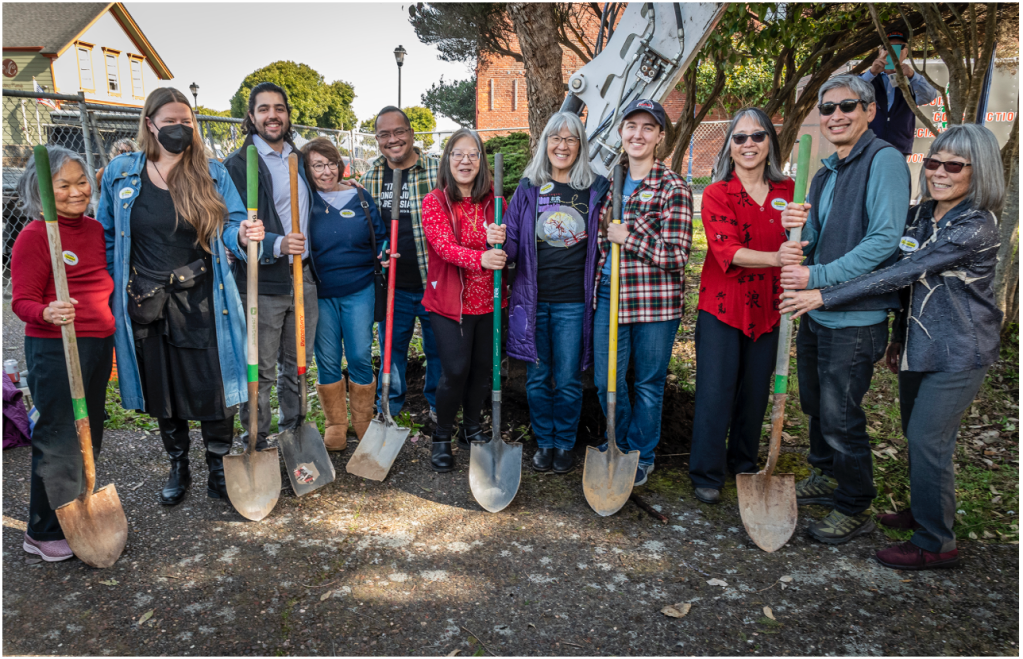
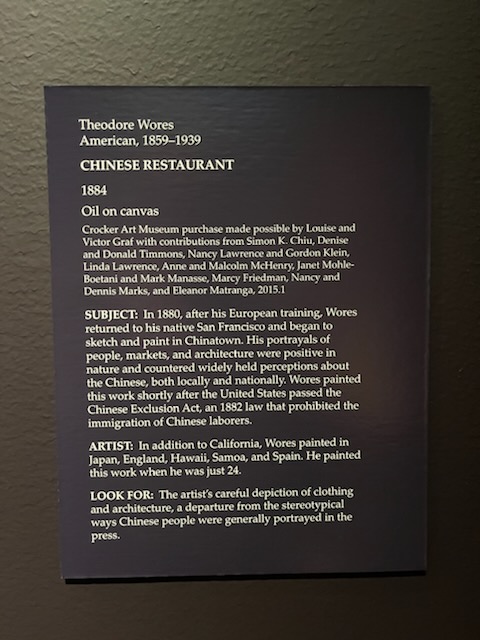
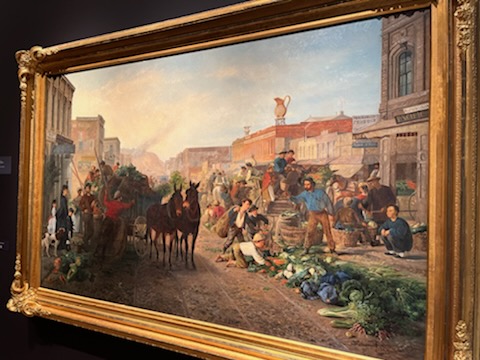
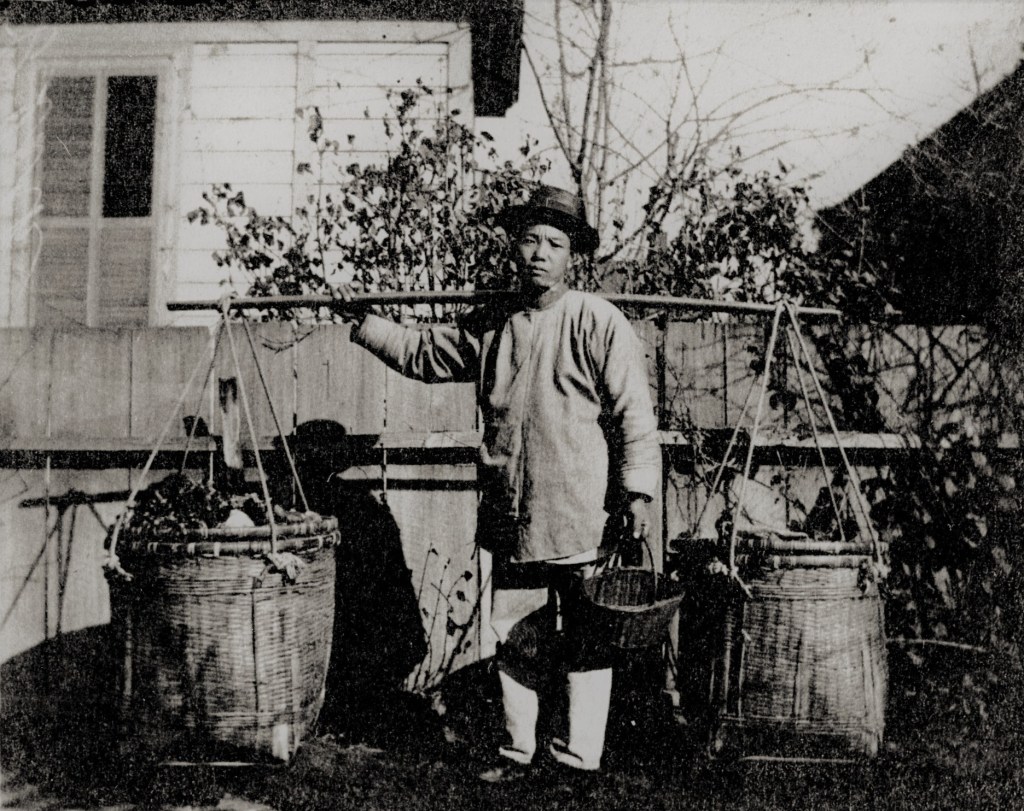
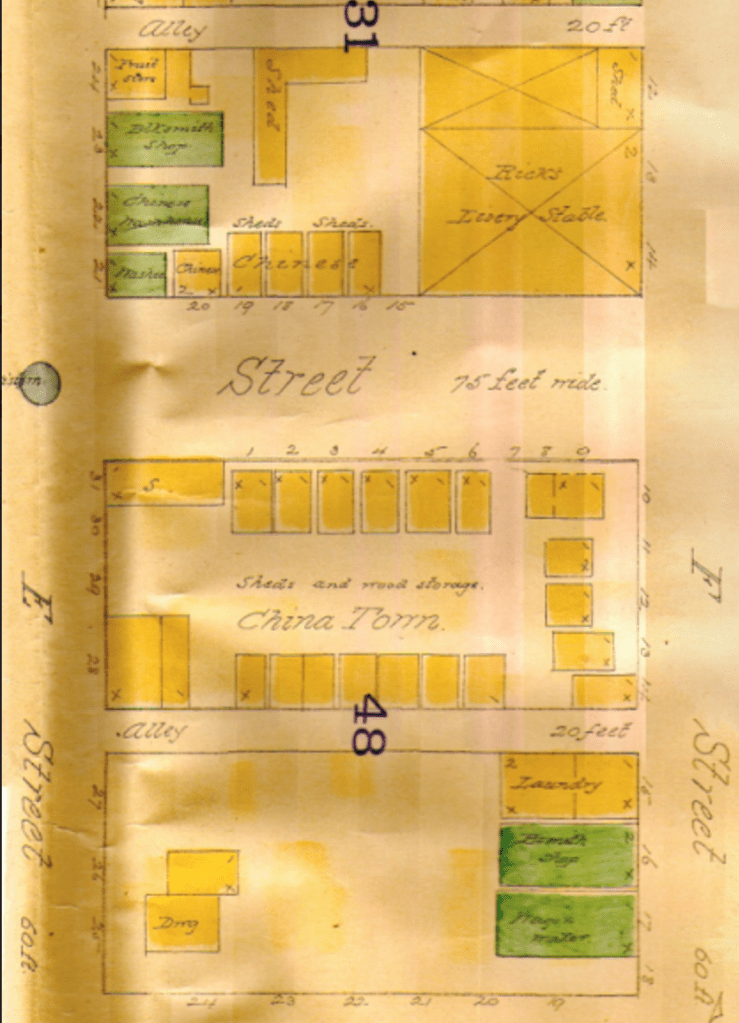
My work with the Eureka Chinatown Project was sometimes the thing I needed to get myself through the day- research that had a purpose, that would be used to enlighten the public and broaden perspectives. It was exciting to find the next news article that brought up all new questions or made me laugh (one local paper, the Ferndale Enterprise had beef with the Eureka papers at the time and made no attempts to cover their disdain for their neighbor- a sentiment that I’ve heard from many locals is still a thing to this very day, almost 140 years later). Through the History Method and Theory course I took, I dove deeper into a key aspect of the 1885 expulsion: the lawsuit filed in 1886 against the city for reparations due to the Chinese residents who were expelled. (This story will likely be in the Fall 2022 Humboldt Historian and is the subject of a talk I’ll be giving for the San Diego Chinese Historical Museum/SDSU, see here for more info on that).
Piecing these interests together, I found out that if I wanted to keep working on this aspect of history in the Western US, I’d need to stick around California and where better to go than Sacramento, with its renown history MA program, relatively affordable cost of living and proximity to the legendary (in my mind) California State Railroad Museum. I determined I’d work on getting a job in the area and then put together where I’d go from there in terms of taking the last class I need to apply for the MA program. I began applying at Museums, and when I didn’t get call backs, or the job postings looked suspiciously out of date, I got kind of desperate and began applying for seasonal State Park jobs.
I had done the seasonal life for two seasons, and while it was at times interesting and other times pretty destabilizing (granted, I was just out of school and going through a bit of an existential crisis while living in a bit of a death trap house), I figured it would be a way in the door back into State work. I figured do some Seasonal time, work on school, then slide my way into the museum section of the State Parks with the “optional” Masters that so many of the job postings requested. It didn’t turn out that way. It went surprisingly better.
My friend Erika was a bit surprised when I told her I was applying for bottom of the barrel entry level jobs. “dang girl, aim high! You are so worth it! You led a museum through a pandemic and brought it out better on the other side, you deserve so much more than a seasonal job.” I didn’t really take her advice and ended up applying for the seasonal jobs anyway, where the interview committee encouraged me to apply for some other jobs in the same office.
Low and behold, I land a permanent (still entry level) job, but one that has capacity for growth. A friend in Parks recited the whole progression of the job for me, from where I was to the peak of the classification, which was Superintendent of Parks. The office culture was stable, extremely low turnover, usually from people retiring or getting promoted, with opportunities for travel, the ability to work from home, and those sweet State benefits. And, most importantly, it would get me to Sacramento in the summer with time to sign up for my last class before I could apply for the MA. Pieces fell into place, and then time simultaneously took off and slowed down at the same time.
I started packing in early April, made my announcements to the surprise of my coworkers and colleagues, and began training others in the office to pick up the things that would need doing in the inevitable gap between my leaving and the next person starting. My lunch schedule suddenly filled up, along with my weekends. I saw less of my boyfriend and more of my research, friends I hadn’t seen in a long time, and social media. I felt more connected than I had in weeks, maybe months. Friends began helping me make connections in Sacramento by introducing their friends to me over Facebook Messenger so there might be at least one friendly face waiting in Sacramento for me when I arrived. Many promised to visit- which I highly doubt, it’s something like 5 hours one way to Sacramento, and some even offered to become pen pals- also a bit of a long shot, but I appreciate the effort. Between school, the possibility of getting back into archery, volunteering at a museum, walking Parker, and some research I’d keep working on for the Eureka Chinatown Project, I don’t have to worry about not having enough to do or not being able to meet people and make new friends. Sacramento is no Humboldt Redwoods (where I was so isolated I made some pretty bizarre decisions in dating), and definitely no Eureka with its bunches of humans trying to eck out a living in a precarious place with an even more precarious economy and housing situation.
I began to let go, acknowledging that each place I went, it very well might be the last time that I see that place for a few months, years, or ever. I’ve never had a terminal diagnosis, but if something were to happen and I knew I was on my way out, I figure it might have a similar peaceful feeling of letting go of the things that are beginning to move away from you. I however have the benefit of knowing exactly when my last day will be in this town, and I also understand that unless Humboldt County is swallowed up in a tsunami, this place will still be here, working in its funky dysfunctional way and changing. This place will remain, but it surely won’t be the same. Knowing that, I’m also ok with the fact that while I’ve grown with this place, it’s time for me to move somewhere else and grow some more alongside a new shore in a new place.
I wouldn’t say I’m sad. I wouldn’t say I’m happy. I’m not leaving here angry at this place for crushing me, although I could say that we had some near misses. I am content.
It’s time for moving on.








 Katie Buesch